
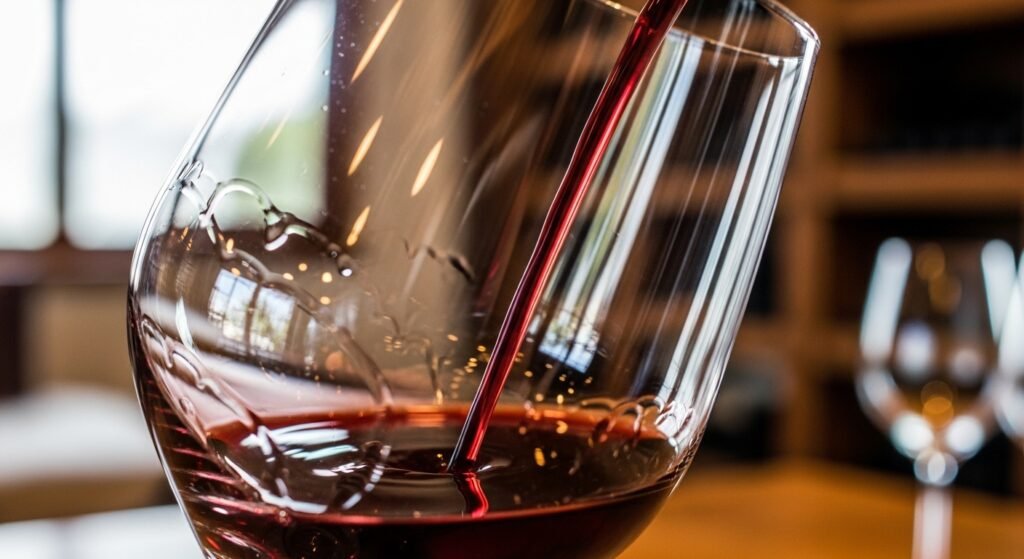
When you swirl a glass of wine and notice droplets slowly sliding down the inside, you are witnessing what is commonly known as Wine Legs. This fascinating visual effect has intrigued both casual drinkers and experienced enthusiasts for generations. Many people assume these streaks are a sign of superior quality, while others believe they indicate alcohol strength.
But what do Wine Legs actually reveal? Are they a reliable indicator of quality, or are they simply a scientific phenomenon? In this detailed guide, we will explore everything you need to know about Wine Legs, including how they form, what they mean, and how to interpret them correctly.
What Are Wine Legs
Wine Legs are the thin streams or droplets that form on the inner surface of a wine glass after swirling. As the liquid moves, it coats the glass and then slowly trickles downward in streaks. These streaks may appear thick, thin, slow-moving, or fast, depending on the wine.
Although they may look elegant and artistic, Wine Legs are not just decorative. They are the result of physical properties within the wine, particularly alcohol content and evaporation rates.
The Science Behind Wine Legs
To truly understand Wine Legs, it helps to explore the science that creates them. This phenomenon is primarily caused by what scientists call the Marangoni effect.
The Marangoni Effect and Wine Legs
The Marangoni effect occurs when there is a difference in surface tension between two liquids. In wine, this difference is created by alcohol and water.
Alcohol evaporates more quickly than water. When you swirl the wine, alcohol at the surface begins to evaporate, leaving behind a higher concentration of water. This change increases surface tension, pulling the liquid upward along the glass before gravity causes it to fall back down as droplets.
Key Factors Influencing Wine Legs
| Factor | Effect on Wine Legs | Explanation |
|---|---|---|
| Alcohol Content | Stronger, slower legs | Higher alcohol increases viscosity |
| Sugar Content | Thicker, more pronounced legs | Residual sugar adds weight |
| Temperature | Faster evaporation, quicker legs | Warm wine shows quicker movement |
| Glass Surface | Clearer leg formation | Smooth glass enhances visibility |
This table shows that Wine Legs are more about physics than quality.
Wine Legs and Alcohol Content
One of the most accurate insights you can gain from observing Wine Legs is related to alcohol content.
Wines with higher alcohol levels tend to produce more noticeable and slower-moving legs. This is because alcohol contributes to the viscosity of the liquid, making it thicker and more resistant to flow.
Alcohol Levels and Wine Legs Comparison
| Alcohol Percentage | Appearance of Wine Legs | Flow Speed |
|---|---|---|
| Low (8–10%) | Light, thin legs | Fast |
| Medium (11–13%) | Moderate legs | متوسط |
| High (14%+) | Thick, slow, well-defined legs | Slow |
From this table, it is clear that Wine Legs can give you a rough idea of how strong a wine might be. However, they are not an exact measurement.
Do Wine Legs Indicate Quality
A common misconception is that prominent Wine Legs indicate a high-quality wine. This belief has been passed down for years, but it is not entirely accurate.
Quality vs Appearance
Wine Legs do not directly measure quality. Instead, they reflect alcohol and sugar levels. A high-quality wine can have subtle legs, while a lower-quality wine might display very strong ones.
Why the Myth Exists
The association between Wine Legs and quality likely developed because many premium wines also have higher alcohol content. Over time, people began to link the two, even though they are not causally related.
Reality Check Table
| Myth About Wine Legs | Reality |
|---|---|
| Thick legs mean better wine | Not necessarily true |
| Slow legs indicate quality | They indicate higher alcohol instead |
| No legs means poor wine | False, some great wines have minimal legs |
Understanding this distinction is essential for making informed decisions when selecting wine.
Wine Legs and Sugar Content
Another important factor influencing Wine Legs is sugar. Wines with higher residual sugar levels, such as dessert wines, often produce thicker and more noticeable legs.
Sugar increases the density of the liquid, causing it to cling to the glass and form slower-moving droplets. This is why sweet wines tend to display more dramatic leg patterns.
Sugar Impact on Wine Legs
| Sugar Level | Effect on Wine Legs |
|---|---|
| Dry Wine | Light, quick legs |
| Semi-Sweet Wine | Moderate, visible legs |
| Sweet Wine | Thick, slow, heavy legs |
By observing Wine Legs, you may also get clues about the sweetness of a wine.
How to Observe Wine Legs Properly
To fully appreciate and analyze Wine Legs, you need to follow a simple method.
Step-by-Step Observation
Start by pouring wine into a clean, clear glass. Hold the glass by the stem to avoid warming the liquid. Then gently swirl the wine to coat the sides evenly.
After swirling, place the glass on a flat surface and observe how the liquid behaves. Watch for how quickly the legs form, how thick they appear, and how fast they move downward.
Best Conditions for Viewing
| Condition | Ideal Setup |
|---|---|
| Lighting | Bright, natural light |
| Glass Type | Thin, clear wine glass |
| Background | White or light-colored surface |
| Temperature | Slightly cool wine |
These conditions help you see Wine Legs more clearly and accurately.
Common Misconceptions About Wine Legs
There are several misunderstandings surrounding Wine Legs that can lead to confusion.
Some people believe that the presence of legs guarantees a premium wine experience. Others think that the absence of visible legs is a negative sign. Both assumptions are incorrect.
Another misconception is that only red wines produce Wine Legs. In reality, both red and white wines can display this effect, depending on their composition.
Wine Legs in Red vs White Wines
Wine Legs can vary significantly between red and white wines due to differences in alcohol content, sugar, and body.
Comparison Table
| Wine Type | Typical Wine Legs Appearance | Reason |
|---|---|---|
| Red Wine | More pronounced, thicker legs | Higher alcohol and body |
| White Wine | Lighter, faster-moving legs | Lower viscosity |
| Rosé Wine | Moderate legs | Balanced composition |
This comparison shows that Wine Legs are influenced by multiple factors, not just color.
Should You Judge Wine by Its Legs
While Wine Legs can provide useful insights, they should not be the primary factor when evaluating a wine.
Taste, aroma, balance, and complexity are far more important indicators of quality. Legs are simply one piece of the puzzle.
Professional tasters consider Wine Legs as part of a broader analysis, but they never rely on them alone.
Final Thoughts on Wine Legs
Wine Legs are a beautiful and scientifically fascinating feature of wine that can reveal valuable information about alcohol content and, to some extent, sugar levels. However, they are not a reliable measure of quality.
Understanding the truth behind Wine Legs allows you to appreciate wine more deeply and avoid common myths. The next time you swirl your glass, you will know exactly what those elegant streaks are telling you.
Instead of judging a wine solely by its appearance, focus on the complete experience—its aroma, flavor, and finish. That is where the true quality lies.