In the rapidly evolving digital marketplace, businesses are constantly seeking innovative ways to improve customer experiences and boost conversions. One of the most revolutionary technologies reshaping eCommerce and product visualization is AR Product Configurators. These advanced tools combine augmented reality with interactive customization features, allowing customers to personalize products in real time before making a purchase decision.
Consumers today expect more than static images and basic product descriptions. They want immersive shopping experiences that provide confidence, convenience, and personalization. AR Product Configurators help bridge the gap between online and in-store shopping by enabling users to visualize products in realistic environments. From furniture and automobiles to fashion and electronics, this technology is transforming how customers interact with brands.
As businesses continue embracing digital transformation, the demand for advanced customization tools is growing rapidly. Companies that adopt immersive visualization technologies are often able to improve engagement, reduce product returns, and maximize customer satisfaction.
Understanding the Concept of AR Product Configurators
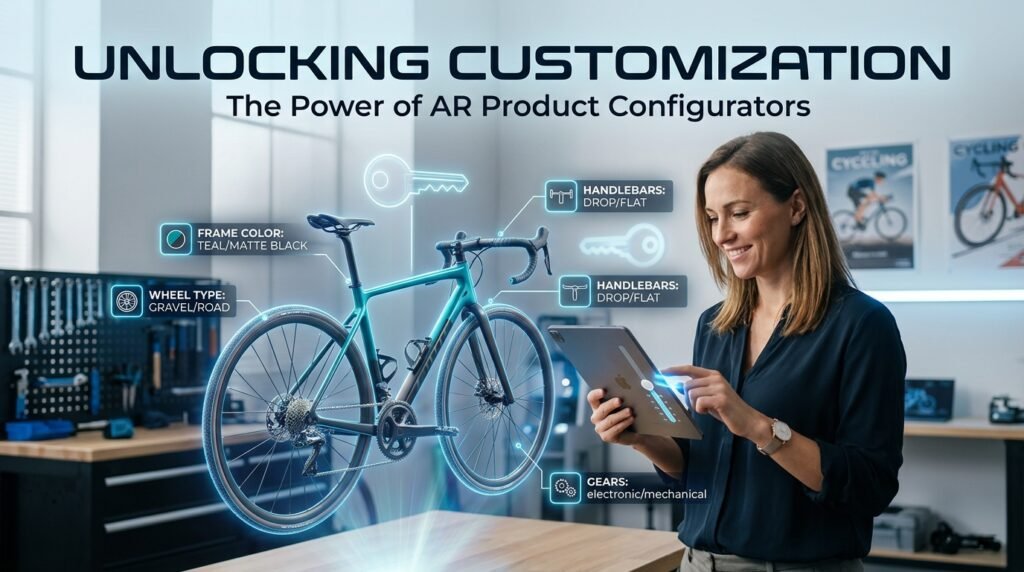
Augmented reality customization systems allow users to interact with digital products within real-world environments through smartphones, tablets, or AR-enabled devices. These tools provide live visualization of customized products using 3D modeling and interactive interfaces.
Customers can modify colors, textures, sizes, materials, and features while instantly viewing changes from multiple angles. This interactive process creates a highly engaging shopping experience that traditional online stores cannot provide.
| Feature | Function | Customer Benefit |
|---|---|---|
| 3D Visualization | Real-time product display | Better buying confidence |
| Live Customization | Modify product features | Personalized experience |
| AR Integration | View products in real spaces | Improved visualization |
| Interactive Controls | Rotate and explore products | Increased engagement |
This combination of realism and customization is one of the main reasons immersive commerce solutions are becoming increasingly popular worldwide.
How AR Product Configurators Improve Customer Experience
Customer experience has become one of the most important competitive factors in modern business. Shoppers are more likely to purchase products when they fully understand what they are buying.
Interactive visualization tools reduce uncertainty by helping customers see exactly how products will appear in their homes, offices, or personal spaces. This eliminates much of the guesswork associated with online shopping.
For example, a customer shopping for furniture can place a virtual sofa in their living room using a smartphone camera. They can then adjust colors, dimensions, and materials before making a purchase.
| Customer Challenge | AR Solution | Result |
|---|---|---|
| Uncertainty about fit | Real-space visualization | Better decision-making |
| Limited product views | 360-degree interaction | Improved confidence |
| Difficulty imagining customization | Real-time modifications | Higher satisfaction |
| Fear of incorrect purchases | Accurate previews | Reduced returns |
This enhanced level of interaction strengthens trust between businesses and customers.
The Growing Importance of Personalization in eCommerce
Modern consumers increasingly prefer personalized products and tailored shopping experiences. Businesses that fail to provide customization options may struggle to compete in crowded markets.
Personalization creates emotional connections with customers because it allows them to participate in the design process. This sense of involvement often increases brand loyalty and purchase satisfaction.
AR Product Configurators support personalization by enabling customers to create products that reflect their individual preferences. Whether selecting car interiors, customizing sneakers, or designing home décor, users enjoy greater creative freedom.
Businesses that prioritize personalization often benefit from:
| Business Advantage | Impact |
|---|---|
| Increased customer engagement | Longer browsing sessions |
| Higher conversion rates | More completed purchases |
| Better customer retention | Stronger loyalty |
| Premium product perception | Increased revenue potential |
These benefits make immersive customization tools highly valuable for digital commerce strategies.
Industries Benefiting from AR Product Configurators
Several industries are adopting augmented reality customization technology to improve customer experiences and streamline sales processes.
Furniture and Interior Design
Furniture retailers use interactive tools to help customers visualize products inside their homes. Users can test different colors, layouts, and dimensions before purchasing.
Automotive Industry
Car manufacturers provide virtual customization systems that allow buyers to select paint colors, wheel designs, interiors, and accessories in realistic 3D environments.
Fashion and Apparel
Fashion brands use AR features to offer virtual try-ons and product customization options for clothing, shoes, and accessories.
Electronics and Technology
Technology companies enable customers to explore product features, compare specifications, and customize devices interactively.
| Industry | AR Application | Main Benefit |
|---|---|---|
| Furniture | Room visualization | Better placement accuracy |
| Automotive | Vehicle customization | Enhanced buyer engagement |
| Fashion | Virtual try-ons | Increased confidence |
| Electronics | Interactive product demos | Better understanding |
These industries demonstrate how versatile immersive customization technology can be.
Increasing Sales and Conversion Rates
One of the most significant advantages of interactive product visualization is its ability to improve conversion rates. Customers who engage with immersive experiences are often more likely to complete purchases.
Traditional online shopping can feel impersonal because buyers cannot physically interact with products. Interactive AR systems solve this issue by creating realistic and engaging digital experiences.
Studies consistently show that customers spend more time exploring products when interactive tools are available. This increased engagement often leads to higher purchase intent and larger order values.
Businesses also benefit from reduced hesitation because customers gain greater confidence in their decisions.
Reducing Product Returns Through Better Visualization
Product returns are a major challenge for eCommerce businesses. Many returns occur because customers receive items that differ from their expectations.
Immersive visualization significantly reduces this problem by giving shoppers a realistic preview before purchase. Customers can better understand product size, appearance, and compatibility with their environment.
| Return Cause | AR-Based Solution | Expected Outcome |
|---|---|---|
| Incorrect size expectations | Real-scale visualization | Fewer sizing issues |
| Color mismatches | Accurate customization previews | Improved satisfaction |
| Product misunderstanding | Interactive demonstrations | Reduced confusion |
| Poor fit in environment | Space simulation | Better compatibility |
Reducing return rates helps businesses save operational costs while improving customer trust.
Enhancing Brand Image Through Innovation
Brands that adopt advanced technologies often appear more innovative and customer-focused. Interactive shopping experiences create memorable impressions that help businesses stand out from competitors.
Consumers are naturally attracted to companies offering modern and convenient digital solutions. By integrating immersive customization tools, businesses demonstrate commitment to improving user experiences.
This perception of innovation can strengthen brand authority and attract tech-savvy audiences looking for advanced online shopping experiences.
Technical Components Behind AR Product Configurators
Several technologies work together to create immersive customization experiences. Understanding these components helps businesses appreciate the complexity and potential of these systems.
| Technology | Purpose |
|---|---|
| Augmented Reality | Blends digital objects with real environments |
| 3D Modeling | Creates realistic product visuals |
| Cloud Computing | Supports real-time processing |
| Artificial Intelligence | Improves personalization |
| Mobile Integration | Enables smartphone accessibility |
These technologies continue evolving, making immersive shopping experiences more accessible and realistic over time.
Challenges Businesses May Face
Although the benefits are substantial, implementing advanced visualization systems can present certain challenges.
Development Costs
Creating high-quality 3D models and AR environments requires investment in technology and expertise.
Device Compatibility
Some older devices may struggle to support advanced augmented reality features smoothly.
User Learning Curve
Certain customers may initially find interactive systems unfamiliar or complicated.
Content Management
Maintaining accurate product models and customization options requires continuous updates.
| Challenge | Potential Solution |
|---|---|
| High setup costs | Gradual implementation |
| Technical limitations | Cross-platform optimization |
| User adoption issues | Simple interface design |
| Large product catalogs | Automated content management |
Businesses that plan strategically can overcome these challenges effectively.
The Role of Artificial Intelligence in Future Customization
Artificial intelligence is expected to play a major role in the future of immersive commerce experiences. AI-powered systems can analyze customer preferences and recommend personalized configurations automatically.
For example, AI may suggest furniture styles based on room layouts or recommend clothing colors based on previous purchases. This level of personalization could further improve engagement and customer satisfaction.
Machine learning may also help businesses optimize product recommendations and predict purchasing behavior more accurately.
Future Trends in AR Product Configurators
The future of interactive commerce technology appears extremely promising. Several trends are expected to shape the industry in coming years.
| Emerging Trend | Expected Impact |
|---|---|
| AI-driven personalization | Smarter recommendations |
| Web-based AR | Easier accessibility |
| Virtual reality integration | Fully immersive experiences |
| Voice-controlled customization | Faster interactions |
| Advanced mobile AR | Improved user convenience |
As technology becomes more affordable and accessible, immersive shopping experiences are likely to become standard across many industries.
Best Practices for Successful Implementation
Businesses aiming to maximize results should follow strategic implementation practices.
Focus on User Simplicity
Interfaces should remain intuitive and easy to navigate to encourage customer engagement.
Optimize Mobile Performance
Since many users shop through smartphones, mobile optimization is essential for smooth experiences.
Use High-Quality 3D Assets
Accurate and visually appealing product models improve realism and customer trust.
Integrate Analytics
Tracking customer interactions helps businesses improve functionality and personalization strategies.
Conclusion
AR Product Configurators are revolutionizing digital commerce by combining immersive technology with personalized shopping experiences. These advanced systems empower customers to interact with products in realistic environments while customizing features according to individual preferences.
From increasing conversion rates and reducing product returns to strengthening brand image and customer engagement, the benefits of immersive customization are substantial. Industries such as furniture, automotive, fashion, and electronics are already leveraging this technology to create more interactive and satisfying customer journeys.