
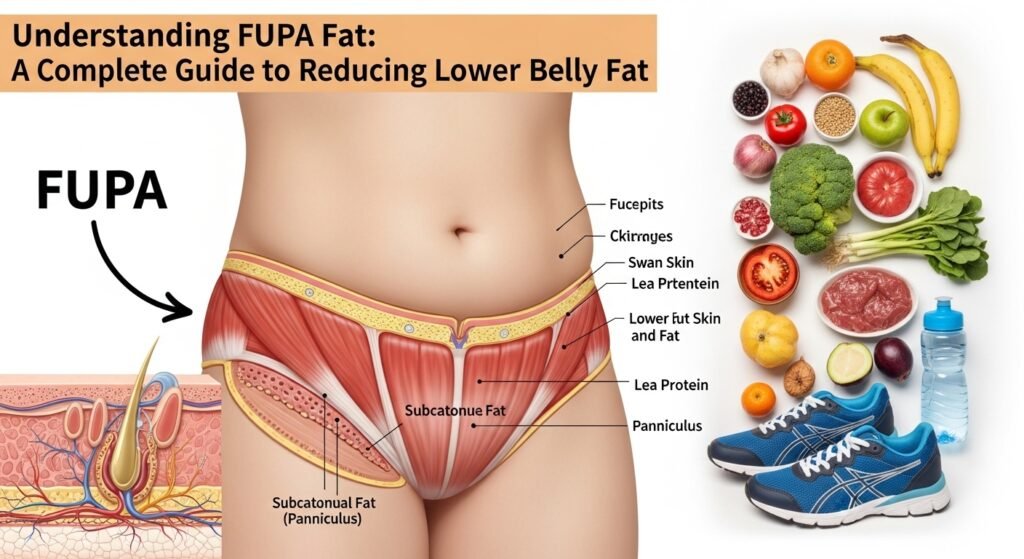
When it comes to body composition and fitness goals, one of the most commonly discussed concerns is FUPA Fat. This term refers to excess fat stored in the lower abdominal region, often just above the pubic area. While it can affect people of all body types, FUPA Fat is especially common after weight fluctuations, pregnancy, or aging. Understanding what causes it and how to manage it effectively can help you take a balanced and realistic approach to improving your health and confidence.
What Is FUPA Fat and Why Does It Occur
FUPA Fat develops due to a combination of biological, lifestyle, and hormonal factors. It is not simply a result of overeating; instead, it reflects how the body stores fat in certain areas.
The lower belly is a common fat storage zone because of genetics and hormonal influences. For example, stress hormones can encourage fat accumulation in the abdominal area. Additionally, after significant weight loss, loose skin and residual fat may remain, contributing to the appearance of FUPA Fat.
Common Causes of FUPA Fat
Understanding the root causes of FUPA Fat is essential for addressing it effectively. Several factors contribute to its development.
Hormonal Imbalance and FUPA Fat
Hormones play a crucial role in fat storage. Changes in estrogen, cortisol, and insulin levels can influence where fat is deposited in the body. Elevated stress levels, for instance, can increase cortisol, leading to more abdominal fat.
Lifestyle Habits and FUPA Fat
Sedentary lifestyles and poor dietary choices are major contributors to FUPA Fat. Consuming high-calorie, low-nutrient foods can lead to fat accumulation, particularly in the lower abdomen.
Post-Pregnancy Changes and FUPA Fat
For many women, pregnancy can lead to the development of FUPA Fat. The abdominal muscles stretch during pregnancy, and fat storage increases to support the body’s needs. After childbirth, it may take time and effort to restore muscle tone.
Health Implications of FUPA Fat
While FUPA Fat is often viewed as a cosmetic concern, it can also have health implications. Excess abdominal fat is associated with a higher risk of metabolic conditions such as insulin resistance and cardiovascular issues.
However, it’s important to note that not all lower belly fat is harmful. The key is maintaining overall health through balanced nutrition and regular physical activity.
Effective Strategies to Reduce FUPA Fat
Reducing FUPA Fat requires a combination of consistent habits rather than quick fixes. A holistic approach yields the best results.
Balanced Diet for FUPA Fat Reduction
A nutrient-rich diet is fundamental for reducing FUPA Fat. Focus on whole foods such as fruits, vegetables, lean proteins, and healthy fats.
Sample Diet Plan Table
| Meal Time | Recommended Foods | Benefits |
|---|---|---|
| Breakfast | Oatmeal, eggs, fruits | Boosts metabolism |
| Lunch | Grilled chicken, vegetables, brown rice | Provides sustained energy |
| Snack | Nuts, yogurt | Controls hunger |
| Dinner | Fish, salad, quinoa | Supports fat loss |
Avoid processed foods and sugary drinks, as they contribute to fat accumulation.
Exercise Routine to Target FUPA Fat
Although spot reduction is not possible, targeted exercises can strengthen the lower abdominal muscles and reduce overall body fat.
Effective Exercises Table
| Exercise Type | Frequency | Impact on Body |
|---|---|---|
| Cardio (Running) | 3–5 times/week | Burns calories |
| Strength Training | 2–4 times/week | Builds muscle |
| Core Workouts | Daily | Improves abdominal tone |
| HIIT | 2–3 times/week | Accelerates fat loss |
Consistency is key when it comes to seeing results.
Lifestyle Changes That Help Reduce FUPA Fat
Adopting healthy lifestyle habits can significantly impact the reduction of FUPA Fat.
Sleep and Stress Management
Lack of sleep and high stress levels can hinder fat loss. Aim for 7–8 hours of quality sleep each night and practice stress-relief techniques such as meditation or deep breathing.
Hydration and Its Role in FUPA Fat Reduction
Drinking enough water helps maintain metabolism and reduces bloating, which can improve the appearance of the lower abdomen.
Medical and Cosmetic Options for FUPA Fat
In some cases, lifestyle changes may not fully eliminate FUPA Fat. Medical or cosmetic procedures can be considered.
Non-Surgical Treatments
Options such as fat-freezing or laser therapy can help reduce fat in targeted areas. These treatments are less invasive and require minimal recovery time.
Surgical Procedures
Procedures like liposuction or tummy tucks can provide more dramatic results. However, they involve higher costs and recovery periods, so they should be considered carefully.
Myths and Misconceptions About FUPA Fat
There are many misconceptions surrounding FUPA Fat, which can lead to unrealistic expectations.
One common myth is that doing endless abdominal exercises will eliminate lower belly fat. In reality, fat loss occurs throughout the body, not just in one area.
Another misconception is that FUPA Fat can be removed quickly. Sustainable results require time, patience, and consistency.
Tracking Progress in Reducing FUPA Fat
Monitoring your progress can help you stay motivated and make necessary adjustments.
Progress Tracking Table
| Method | Purpose |
|---|---|
| Body Measurements | Track size changes |
| Progress Photos | Visual comparison |
| Weight Tracking | Monitor overall fat loss |
| Fitness Logs | Measure performance improvement |
Remember that progress may be gradual, and small improvements add up over time.
Maintaining Results After Reducing FUPA Fat
Once you achieve your desired results, maintaining them is just as important as the initial effort.
Continue following a balanced diet and regular exercise routine. Avoid reverting to unhealthy habits, as they can lead to fat regain.
Building sustainable habits ensures long-term success and overall well-being.
Conclusion
Understanding and managing FUPA Fat requires a comprehensive approach that includes proper nutrition, regular exercise, and healthy lifestyle choices. While it may take time to see noticeable changes, consistency and patience are essential.
Rather than focusing solely on appearance, prioritize your overall health and well-being. By doing so, you’ll not only reduce lower belly fat but also improve your quality of life.


Pingback: Unlocking the Mystery of Gamdie